
Ledger.com/Start® | Getting started — Ledger®
Discover Ledger.com/start for an easy-to-follow overview of Ledger wallet setup, device configuration, Ledger Live integration, account management, and recovery information protection.
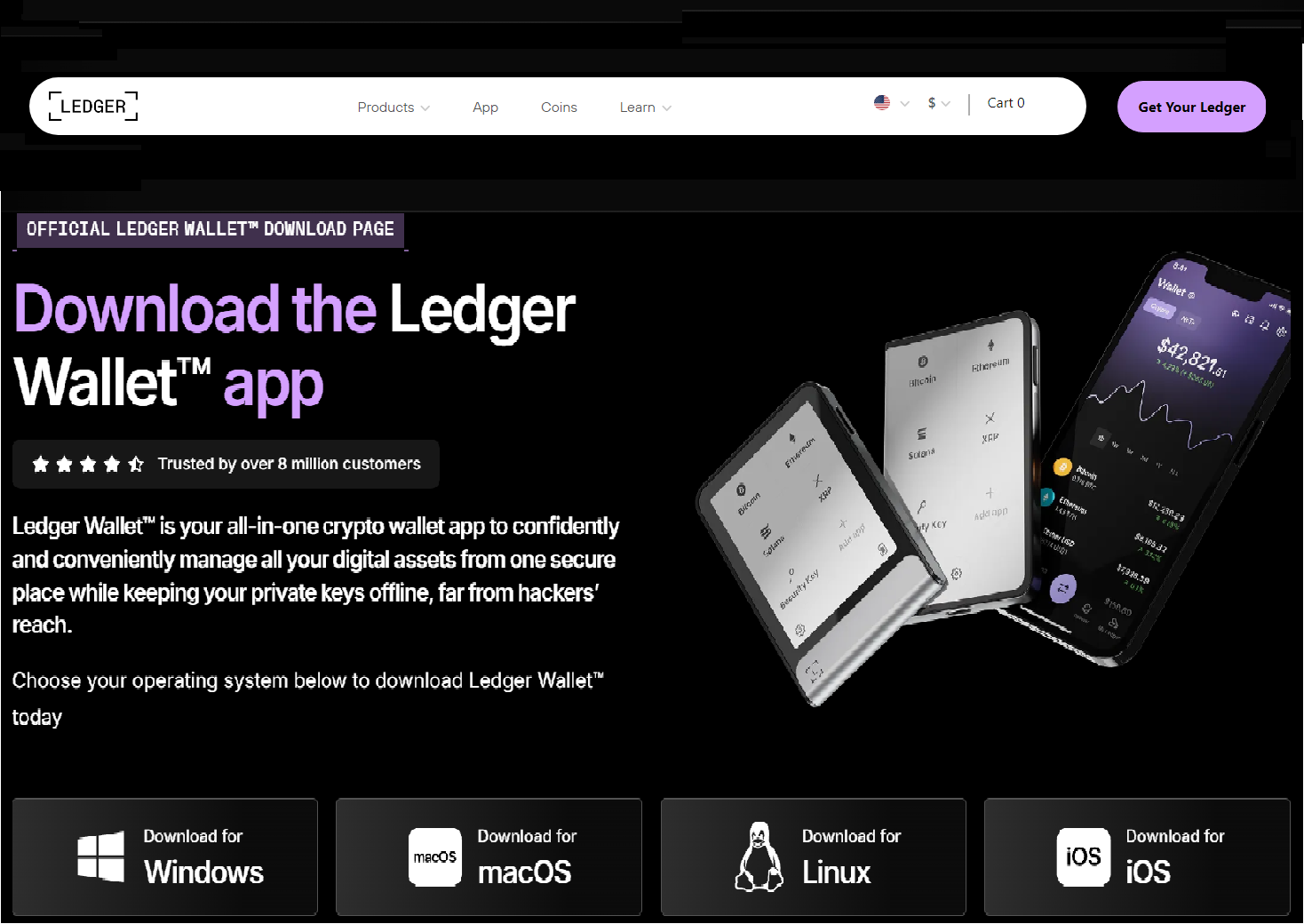
Ledger.com/start: A Practical Guide to Setting Up and Using a Ledger Wallet
Getting started with a hardware wallet involves several steps that are important for both usability and security. A Ledger device is designed to provide a dedicated environment for managing sensitive cryptocurrency operations, while compatible wallet software gives users an interface for viewing accounts and interacting with supported blockchain networks.
Ledger.com/start can serve as a useful starting point for people who are beginning the Ledger wallet setup process. The initial journey can involve configuring the hardware device, establishing access protection, recording recovery information, connecting compatible software, and learning how to approve transactions carefully.
For new users, understanding the purpose of each stage is just as important as completing the technical instructions. A wallet can be used more responsibly when users know how recovery information works, why transaction details should be verified, and how phishing attempts can affect self-custody.
This guide covers the key areas of Ledger wallet setup and explains several security practices that can help users develop safer habits when managing supported digital assets.
What Is Ledger.com/start?
Ledger.com/start is intended as a starting point for users who are beginning the onboarding process for a Ledger hardware wallet.
The onboarding experience can cover areas such as preparing the device, completing initial configuration, setting up security controls, connecting compatible wallet software, and learning about the basic functions required for everyday wallet management.
Setup instructions can vary according to the hardware model, software environment, operating system, and features available at the time. Users should therefore follow the instructions that correspond to their specific Ledger device rather than relying on older screenshots or unrelated guides.
Approaching the setup process carefully can help users become familiar with both the hardware wallet and the security responsibilities that come with self-custody.
Why a Careful Ledger Wallet Setup Matters
A hardware wallet can provide an additional security layer by keeping certain sensitive wallet operations associated with a dedicated physical device.
When a supported transaction is created through compatible software, the hardware wallet may be used to review and authorize the transaction.
This does not mean that every cryptocurrency risk disappears.
Security can still be affected by malicious websites, counterfeit applications, phishing messages, unsafe recovery backups, incorrect addresses, and social-engineering attempts.
For this reason, Ledger wallet setup should be approached as a combination of technical configuration and security education.
Preparing for Ledger.com/start
Before beginning the onboarding process, select a private environment where you can concentrate on the instructions.
Use a computer or compatible device that you trust. Avoid performing wallet setup on systems that contain suspicious programs, unknown extensions, or software you do not recognize.
It is also important to consider how you reach setup resources.
Avoid unsolicited setup links received through email, social networks, messaging applications, or online advertisements. A fraudulent website can sometimes look remarkably similar to a legitimate service.
Give yourself enough time to complete the process without rushing. Security-related information should always be reviewed carefully before proceeding.
Beginning the Hardware Wallet Configuration
Once the appropriate setup instructions have been accessed, connect the Ledger hardware wallet according to the requirements of the device model.
The physical controls, connection method, and instructions may vary between different products. Avoid assuming that a setup guide for one model will apply exactly to another.
As the device displays information, read the prompts carefully.
When an operation requires confirmation on the hardware wallet, verify what is being requested before approving it. The physical screen can provide an important opportunity to review certain actions independently of the computer or mobile interface.
Completing Initial Device Configuration
Initial configuration establishes the foundation for using the hardware wallet.
Depending on the device and onboarding path, users may need to create access protection, configure wallet settings, and record recovery information.
These steps should be completed personally whenever possible.
Do not allow an unknown person or unsolicited support contact to configure the device on your behalf. Users should remain in control of the hardware wallet and understand the security information created during setup.
The goal is not simply to finish the configuration quickly but to establish a wallet environment that the owner understands and can manage independently.
Understanding the Recovery Phrase
The recovery phrase is an especially important part of a self-custody wallet.
It can provide a method for restoring access to a wallet through an appropriate compatible recovery process when the original hardware device is unavailable.
Because of its importance, recovery information should be handled with extreme care.
Record it through the legitimate setup process and keep the backup in a secure and private location.
Do not photograph the recovery phrase or save it in cloud storage, email, messaging applications, screenshots, online documents, or other locations that could expose it to unauthorized access.
A recovery phrase should never be supplied to an unfamiliar website or person claiming that it is required to activate, synchronize, verify, or unlock a wallet.
Why Recovery Information Must Stay Private
A hardware wallet and its recovery phrase are not interchangeable.
The physical device can provide a secure environment for supported wallet operations and transaction approvals. The recovery phrase serves a different purpose by providing a means of restoring wallet information when appropriate.
Anyone who gains access to the complete recovery information may potentially be able to restore the associated wallet using compatible tools.
This is why recovery information should be treated as confidential wallet security material rather than an ordinary login credential.
No legitimate setup shortcut should require users to publicly disclose or casually share the complete recovery phrase.
Setting Up Device Access Protection
During the Ledger setup process, users may be asked to configure a PIN or another device access control depending on the product.
Choose an access method that is not obvious to people who might physically encounter the device.
Avoid predictable combinations and do not share the information unnecessarily.
The physical device should also be stored responsibly when it is not being used.
Keeping it in a private and secure location adds a physical layer of protection to the technical security features of the wallet.
Using Compatible Ledger Software
After the hardware wallet has been configured, compatible Ledger software can provide a convenient interface for managing supported accounts and assets.
Depending on the available functionality, users may be able to view account information, monitor activity, install supported blockchain applications, organize accounts, and prepare cryptocurrency transactions.
The software and hardware serve different purposes.
The software provides the interface through which users interact with their accounts, while the hardware device can be used for supported security-sensitive operations and transaction authorization.
Understanding this distinction helps users avoid treating a software interface as though it were the hardware security layer itself.
Organizing Ledger Wallet Accounts
Users may create or manage multiple cryptocurrency accounts depending on their needs.
Keeping accounts clearly organized can reduce confusion when working with several assets or blockchain networks.
Before initiating a transaction, check the selected account and make sure it corresponds to the asset you intend to use.
Be especially careful when different accounts have similar names or when an asset is available across multiple networks.
Taking a moment to confirm the account and network can help prevent avoidable transaction errors.
Receiving Cryptocurrency With Care
Receiving digital assets generally involves sharing a wallet address with the sender.
Before providing an address, verify that it belongs to the correct account and is compatible with the intended cryptocurrency and network.
Different networks can use different address formats and transaction requirements. A familiar-looking address should not automatically be assumed to be appropriate.
For a large transfer, some users may consider testing the process with a smaller amount first. Whether this makes sense depends on the asset, network, fees, and circumstances involved.
Verifying Transactions Before Approval
Transaction review is one of the most valuable security habits for hardware-wallet users.
Before approving a transaction, carefully examine the available information, including the destination, amount, asset, network, and fee.
Do not depend solely on what is displayed in the software interface.
When transaction information is presented on the physical Ledger device, compare it with the transaction you intended to make.
If the destination or amount is unexpected, stop and investigate rather than confirming the transaction.
Blockchain transactions can be difficult or impossible to reverse once finalized, so verification should take place before authorization.
Identifying Fake Ledger Websites
Phishing websites are a significant risk for cryptocurrency users.
A fraudulent page may imitate familiar branding, copy the appearance of a legitimate website, or use urgent language to convince visitors to take immediate action.
Some scams claim that a wallet requires verification, that an account has been suspended, or that assets are at risk unless a specific process is completed.
Users should treat unexpected security warnings with caution.
Instead of clicking an unsolicited link, independently navigate to a trusted resource and verify the information.
Never enter a recovery phrase into a website simply because a page claims that it is necessary for wallet verification, synchronization, activation, or technical support.
Recognizing Fake Support Messages
Cryptocurrency scams are not limited to websites.
Fraudsters may also pretend to be support agents and contact users through social media, messaging platforms, community forums, or other channels.
A person claiming to be support should not automatically be trusted simply because their profile contains official-looking branding.
Never provide remote access to a computer or hardware wallet to an unsolicited contact.
Do not disclose recovery information, device access credentials, or other confidential wallet information to someone who approaches you unexpectedly.
Keeping Ledger Software Current
Compatible wallet software may receive updates that improve functionality, compatibility, or security.
Before installing an update, verify that it comes from a legitimate source and corresponds to the correct product.
Avoid downloading wallet applications from websites recommended by strangers or from advertisements that cannot be independently verified.
When updating software or changing the wallet environment, carefully review the process instead of accepting every prompt automatically.
Maintaining reliable access to your recovery information is also important when making significant changes to your wallet setup.
Common Errors During Ledger Setup
New users can encounter several preventable problems.
One mistake is moving through setup screens too quickly without understanding the security instructions.
Another is creating a digital copy of the recovery phrase for convenience.
Users can also expose themselves to risk by installing counterfeit wallet software or accepting unsolicited technical assistance.
A common warning sign is anyone who asks for confidential information while claiming that it is necessary to solve an urgent wallet problem.
If someone requests a recovery phrase, PIN, password, or remote access without a verified reason, stop and independently check the situation.
Using the Physical Device for Verification
The hardware wallet can provide an additional opportunity to verify transaction information before authorization.
When supported details appear on the physical device, compare them with the transaction you intended to create.
Review the destination and amount carefully, along with any other relevant information displayed by the device.
If something does not match your expectations, do not approve the transaction.
This simple verification habit can help identify errors or unexpected changes before a transaction receives authorization.
Maintaining Good Wallet Security Habits
The completion of Ledger.com/start should be viewed as the beginning of ongoing wallet management.
Good security practices need to continue after the initial setup.
Keep the hardware wallet physically secure, protect the recovery phrase, use trusted software, review transaction information, and remain cautious around unexpected cryptocurrency-related communications.
Avoid making security decisions when a website or person is creating unnecessary urgency.
A request to act immediately is not a reason to skip verification. Taking additional time to confirm information can be much safer than attempting to correct an irreversible transaction later.
What to Do When a Wallet Request Looks Suspicious
If an unfamiliar website, message, transaction, or device prompt appears, stop before entering information or approving an operation.
Do not respond to suspicious requests by supplying your recovery phrase.
Close the questionable page and independently consult trusted documentation relevant to the Ledger product or software involved.
Be especially cautious when someone contacts you unexpectedly and claims they can restore access, synchronize your wallet, remove a security warning, or recover funds.
Legitimate-looking language does not guarantee that a request is genuine.
Final Thoughts
Ledger.com/start can be a useful starting point for users who are learning how to configure and manage a Ledger hardware wallet.
A responsible Ledger wallet setup involves more than connecting hardware to a computer. Users should understand device initialization, access protection, recovery-phrase handling, compatible wallet software, account organization, transaction verification, and phishing prevention.
Recovery information should receive particular attention because it can be important when restoring wallet access. It should remain private and should never be entered into an unfamiliar website or disclosed to an unsolicited support contact.
By approaching setup carefully, verifying important information on the physical device, using compatible software from trusted sources, and maintaining strong security habits, users can develop a safer and more informed approach to managing supported cryptocurrency assets with a Ledger hardware wallet.
Updated about 7 hours ago